
Making Reading Fun Throughout the Year
As a Language Arts teacher, one of my most cherished responsibilities is instilling a love of reading in my students. Over the years, I have discovered numerous ways to make reading a fun and magical experience, ensuring that students not only improve their literacy skills but also develop a lifelong passion for books. Here are some of the strategies I use throughout the year to keep the excitement for reading alive in my classroom
Reading Aloud
No matter the grade level, reading aloud is a cornerstone of my teaching practice. It is a powerful way to model fluent reading, expose students to new vocabulary, and immerse them in the rhythm and cadence of the written word. Each year, I participate in The Global Read Aloud, an initiative that connects students worldwide through shared stories. My students eagerly look forward to our Zoom calls or Padlet discussions with peers from different countries. This global exchange of ideas and interpretations enriches their reading experience and broadens their perspectives.


One particularly heartwarming moment came from my current grade 8 students, who fondly remembered our Global Read Aloud activity from Grade 4. They were so excited to see the sequel to a beloved novel at our school book fair that they pooled their money to buy it for me. Their pride and joy in presenting the book to me was a testament to the lasting impact of our shared reading experiences.

Reading Buddies
Another cherished activity is our Reading Buddies program, which pairs older students with younger ones. This initiative not only fosters a sense of community and responsibility but also allows older students to act as reading role models. The interactions between the buddies are heartwarming to witness, as they share stories, laughter, and the joy of reading together.


Book in a Bag Projects
To engage students in reading and sharing their books, we undertake Book in a Bag projects. Each student selects a book, reads it, and then places objects related to the story in a bag. These objects serve as props during their book presentations to the class, sparking curiosity and discussion among their peers. This hands-on approach makes the storytelling process interactive and memorable.
Reading in Grade One
Grade one is a pivotal time in a child’s reading journey, and focusing on reading has always been a passion of mine. This year, using the Amplify assessment program has transformed how I monitor and support each student’s reading journey. From the very beginning, Amplify’s benchmark and progress assessments have been invaluable tools, allowing me to keep a close eye on every child’s strengths and challenges.
Amplify’s system places students into appropriate reading levels and offers various activities, lessons, and reading passages tailored to enhance specific skills. This customization is essential, ensuring each child receives the right support and challenge. The progress graphs that Amplify generates are particularly impressive. They visually depict a child’s advancement in various reading areas, providing a clear and comprehensive picture of their growth.


During parent-teacher interviews, these graphs become powerful artifacts. Sharing them with parents offers concrete evidence of their child’s progress, making the reading development journey transparent and collaborative. Parents appreciate seeing the data, as it highlights how much their child has improved and where they still need to grow. It turns abstract progress into something tangible and understandable.


The online Amplify system is remarkably user-friendly. It meticulously tracks each mistake a student makes during assessments throughout the year. This level of detail allows me to identify specific patterns and areas where support is needed, so I can tailor my instruction accordingly. I’m continually amazed at the volume and quality of activities and reading materials Amplify provides. There are many reading passages to print and use, ensuring my lessons remain fresh and engaging.
I hope the lower grades will continue using this assessment program next year. I am eager to do a deep dive into the customized reading goals for each student, as I believe this will further enhance our ability to support every young reader effectively. Amplify has not only streamlined the assessment process but also enriched our reading curriculum, making a significant difference in how we teach and our students learn.
Amplify assessment is also a powerful tool for older students who get resource support.
Adding a Touch of Magic
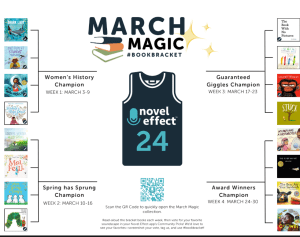
Always on the lookout for innovative ways to make reading magical, I introduced Novel Effect to my classroom this year. This app adds soundscapes to stories, creating an immersive reading experience. I was thrilled to be asked to serve as an ambassador for Novel Effect, which provided me with a free year’s subscription and access to an online community of educators. This community inspired us to participate in the March Magic book bracket, a global event where students read and voted on their favorite books. The excitement and engagement this activity generated were truly phenomenal. * I have the free app for the upcoming school year. I will be happy to visit classes to share the Novel Effect magic.

Brigitte’s Summer Reading Challenge
To maintain students’ interest and engagement in reading over the summer, our school has implemented Brigitte’s Summer Reading Challenge. This program is especially important for students who struggle with reading, as it helps prevent the “summer slide” and keeps their skills sharp. The challenge encourages students to read a certain number of books over the summer, with incentives such as prizes for those who meet their goals.
Incorporating fun and motivating elements, the summer reading challenge makes reading a part of students’ daily routines even when school is out. Whether it’s through reading logs, book reviews, or creative projects, the challenge offers various ways for students to engage with their books and share their experiences. Prizes, ranging from small trinkets to larger rewards like gift cards or a special recognition ceremony, add an extra layer of motivation.

The Joy of Reading
Making reading fun throughout the year is a journey filled with creativity, connection, and joy. Whether through reading aloud, global collaborations, creative projects, innovative apps, or advanced assessment tools like Amplify, my goal is to create an environment where students look forward to reading and see it as an adventure. The smiles on their faces, the excitement in their voices, and the pride in their achievements are the greatest rewards for me as a teacher. Here’s to many more years of joyful reading adventures.
Reading with Puppies
A dream prototype for OJCS!
Just imagine if we had such a program at OJCS. I believe our reading scores would improve tremendously. We should have tried this before all the renovations.


